





 Spanish News Today
 Alicante Today
 Andalucia Today

 Calasparra is a municipality of around 10,500 inhabitants which is part of the Comarca del Noroeste, in the north-west of the Region of Murcia, sharing its boundaries with Moratalla, Cieza, Mula, Cehegín and the province of Albacete.
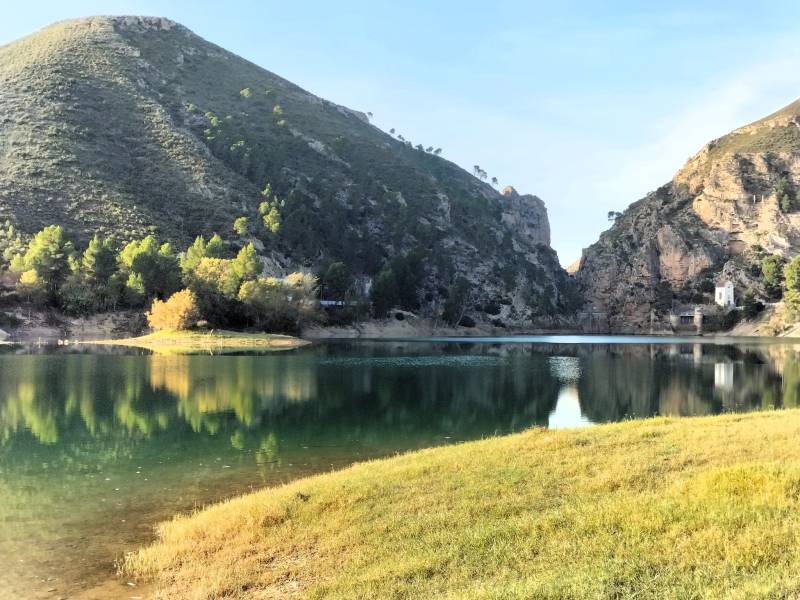
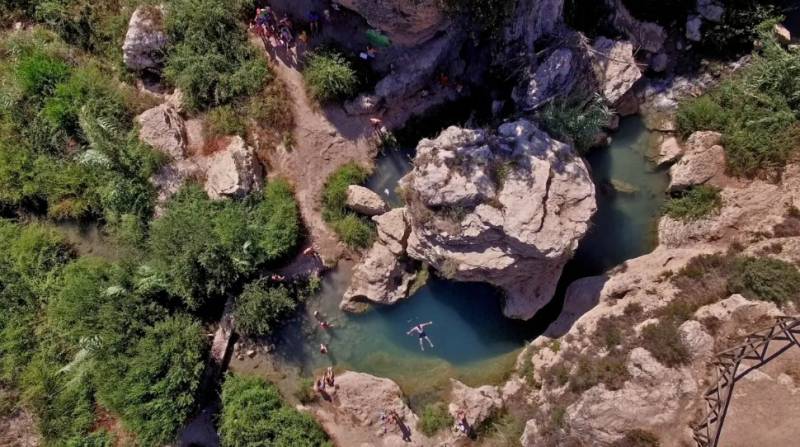
Calasparra owes its rich history to its geography. criss-crossed by the rivers Segura, Argos and Quípar. These rivers created fertile riverside agricultural zones, a landscape of rocky outcrops and deep gorges such as the Cañon de los Almadenes, the Cueva  de los Monigotes, the Cueva del Puerto.
The mountains in the Sierras of San Miguel and San José are surrounded by vast plains of dry crop landscapes, where wheat, olives, carobs and almonds grow amidst the vineyards.
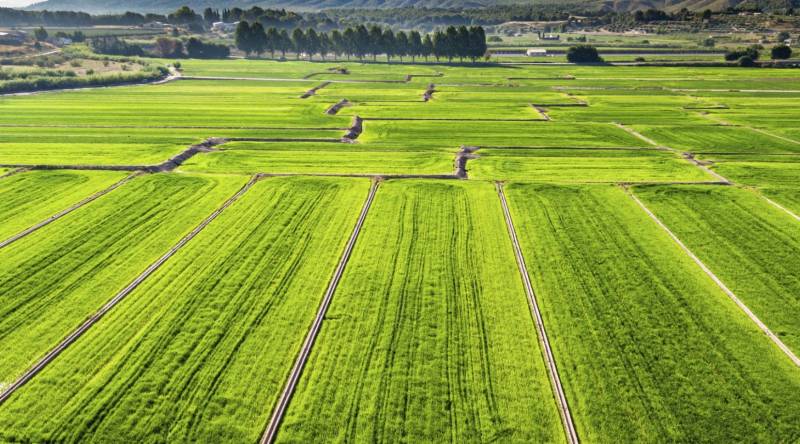
Closer to the water's edge, apricots, peaches, pears, apples and cherries enjoy the benefits of the warm southern Spanish climate and irrigation, two factors which also combine to make Calasparra a nationally renowned rice growing area.
These rich natural resources have attracted inhabitants for thousands of years: the Abrigo del Pozo rock paintings is testament to a prehistoric presence, the Villa Vieja is an abandoned Moorish settlement, the Castle of San Juan a reminder of medieval Calasparra, and the Palacio de la Encomienda de la Orden de San Juan de Jerusalén the seat of  the religious knights who owned Calasparra for 600 years.
Close by is the sanctuary of La Esperanza, cut out of the rock face and set in riverside gardens, a place of pilgrimage for thousands of people every year and the home of the Virgen de la Esperanza.
The sanctuary is the centre of one of the most important religious occasions in Calasparra every year, the Romería de la Esperanza, although the Fiestas held in honour of the town's patrons, the Fiestas patronales de San Abdón and San Senén, also attract vast crowds due to the encierros or bull runs which form a central part of the events. The autumn Feria is dedicated to rice and bullfighting, while the Semana Santa and Flamenco festival are also important cultural activities in Calasparra.
 Agriculture, especially fruit production and canning as well as rice production, remains the most important industry, although rural tourism is also an important element of the local economy, allied with residential tourism, which has attracted various expat residents to make Calasparra their home on two urbanisations built within the municipality. The combination of culture, landscape and tourist activity combine to make Calasparra an attractive municipality which retains the true essence of Murcia and a good base from which to explore the north-west of the Region of Murcia.