


- EDITIONS:
 Spanish News Today
 Alicante Today
 Andalucia Today
Santiago de la Ribera in the municipality of San Javier
Santiago de la Ribera is on the shore of the Mar Menor in San Javier
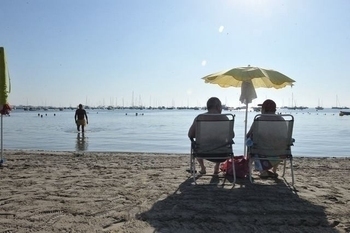 The district of Santiago de la Ribera is part of San Javier and is the centre of most of the tourist activity in the mainland part of the municipality. It lies 3 kilometres from San Javier town centre and boasts 4 kilometres of beaches on the Mar Menor, making it popular among visitors both from Spain and from elsewhere in Europe.
(The other coastal part of San Javier is in La Manga del Mar Menor, the long spit of land which separates the Mediterranean and the Mar Menor.)
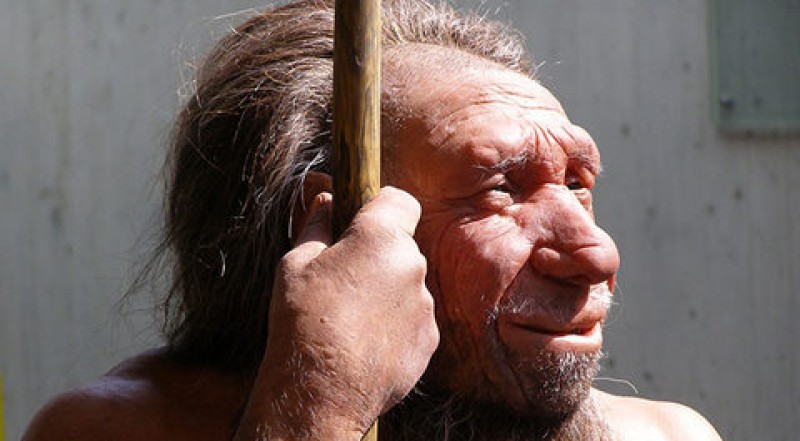 There is little to indicate permanent prehistoric settlement in the modern-day municipality of San Javier, but most probably groups of hunter-gatherers travelled between the highest points of the area collecting molluscs and seafood. Evidence in the Cueva Victoria in El Beal points to the existence of an early pre-hominid, Theropitecus Oswaldis, in the area 2.5 million years ago, and later Neanderthals are known to have inhabited the Cabezo Gordo in Torre Pacheco.
The Mar Menor was home to an important trading settlement in 500-700 BC, when the Greeks and Phoenicians were regular visitors to San Pedro del Pinatar, then a centre of trading activity.
The Romans in Santiago de la Ribera
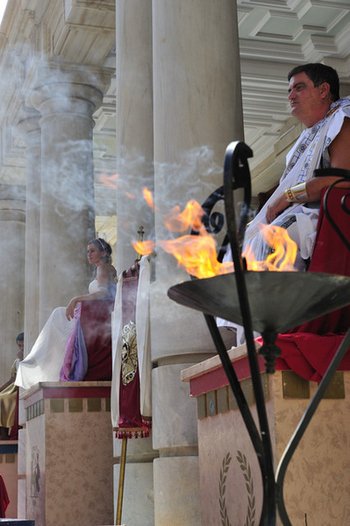 Following the invasion of the Romans in 209 BC, the Mar Menor took on an important role as the colonists took advantage of natural resources, building saltpans (the modern day "salinas") and developing agriculture. This whole area which includes Santiago de la Ribera was part of the south-eastern Iberian peninsula province known by the Romans as Contestania.
Santiago de la Ribera was then an area of swampland on the edge of a saltwater lagoon, a rich fishing ground where the land was home only to rabbits and other small game. The natural vegetation included esparto grass, a valuable export crop which could be used to make shoes, rope and baskets, “albardín” and salsola, while further inland forests were cleared to provide wood and make it possible to grow cereal crops, olives and grapes.
The colonists introduced improvements in agricultural techniques including rudimentary drainage systems in order to reduce the high salinity of the water and the subsoil, and there are remains of several Roman villas around the Mar Menor.
The Moors 713 to 1243
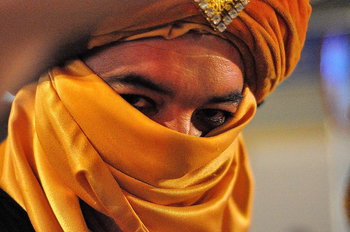 When the Moors invaded in 713, the area was practically abandoned, as new inhabitants preferred to establish themselves in the Segura valley. The countryside was dotted with watchtowers, and there were also a few buildings whose purpose was to provide leisure and rest. This was certainly the case in the municipality of Los Alcázares, where the Moors built palaces in order to take advantage of the baths left by the Romans, but there is very little evidence of permanent habitation in San Javier.
After the Christian Reconquista of the Kingdom of Murcia in 1243, Alfonso X "El Sabio" attempted to encourage the repopulation of the area by offering incentives to families from Castile and Aragon, and in this initiative he was fairly successful.
Berber attacks during the 16th and 17th Century
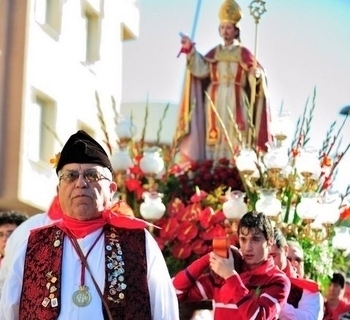 All along the shore of the Mar Menor farmhouses grew and neighbours grouped together in various communities, but in the 16th and 17th centuries there were Berber pirate raids from the north of Africa. Fear became a part of the daily lives of the fishermen and farmworkers of the area as it became necessary to protect the coast, hence there were watchtowers and fortresses all along the shore. Unsurprisingly, the population of the area once again fell.
Some historians maintain that the current tourist resort of Santiago de la Ribera is in the area known as “Cala-Vera” (which later became Calavera), where there was a small church dedicated to St John the Baptist (re-dedicated to San Blas in the 16th century). The area then became known as San Blas, and is still important today as the destination of the Romería of San Blas.
The Torre Mínguez estate
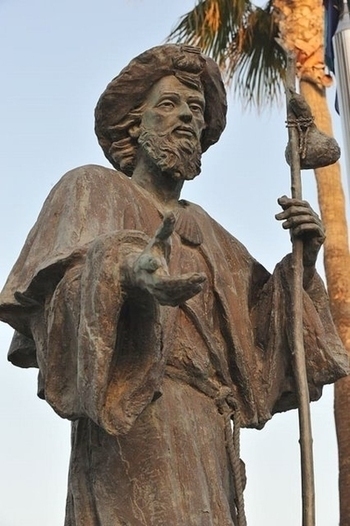 However, the Torre Mínguez farm estate is officially recognised as the origin of Santiago de la Ribera. It was built by Antonio Lisón, a governor of the city of Murcia, and was passed down through various generations of his family including, eventually, Teresa Sandoval y Mena, who married José María Barnuevo y Rodrigo de Villamayor de Ulloa, a dignitary in the Order of Santiago.
They made frequent visits to the Torre Mínguez, and had ambitious plans for it: firstly, they wanted to turn it into a hotel, and secondly, they intended to sub-divide the land and enable tenants to build a family home on each of the resulting plots. Out of these plans grew the new settlement of Santiago de la Ribera in 1888, the name being derived from José María Barnuevo’s affiliation to the Order of Santiago.
The first stages of the urbanization of Santiago de la Ribera were closely overseen by the Barnuevo-Sandoval family. Their aim was to rationalize the way in which the locality might expand in the future, laying down guidelines for future development. Many families from Murcia were attracted by the facilities offered by the family, as well as the privileged location, the climatic conditions and the easy access to existing communications networks, and numerous holiday homes were built by the upper classes of Murcia, turning Santiago into a thriving resort.
At the early 20th century a hotel was opened and the church of Santiago Apóstol was built. This is now recognized within the diocese of Cartagena, and the development of Santiago de la Ribera was now unstoppable.
The air base
In 1929 work began on the construction of the Navy’s air base on land acquired from the Barnuevo family, and in 1943 the Academia General del Aire was founded. In 1968 this pilot training airfield was opened to civil aircraft and passengers, and from then until 2019 the facilities were shared by Aena and the military as the base became Murcia-San Javier airport.
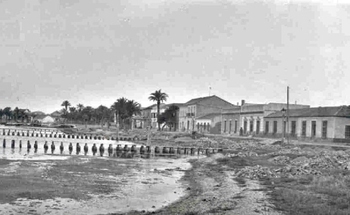 Nowadays Santiago de la Ribera is one of the most popular and prosperous tourist resorts on the Costa Cálida, and its population grows by 300% during the summer months. Visitors enjoy a full range of facilities, with plenty of hotels, restaurants, shops and bars, and the residential streets behind the front line beaches are populated with established holiday properties and residential dwellings.
Whilst tourism was founded on the visitors from Murcia, Madrid and Barcelona, the area also attracts international tourists and is popular with European visitors. Numerous British and Germans are resident throughout the year.
The sandy beaches are characterized by a particular interest in sailing and there are many opportunities to learn and practise water sports from at the beaches of Santiago de la Ribera.
Fiestas in Santiago de la Ribera
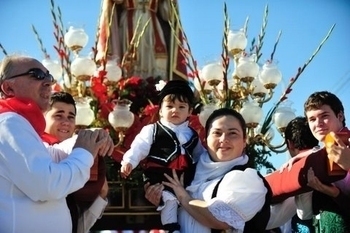 Romería of San Blas
The Romería of San Blas takes place every year on the 3rd February, and although the event has its roots in the 16th century, this celebration only began in 1980. Each year the figure of San Blas is carried from Santiago de la Ribera to the church of San Blas, accompanied by thousands as the crowd swells en route. On arrival at the church the participants enjoy a day of music and picnicking, sharing the company of family and friends.
Fiestas del Carmen
These are held on 16th July, the day of the Virgen del Carmen, protector and patron of fishermen. In these Fiestas the figure of the Virgin is carried out to sea by the fishermen in a marine Romería and the occasion also includes a short procession on land.
 Fiestas patronales de Santiago Apóstol
Santiago de la Ribera was named after Santiago (Saint James) so the main Fiestas Patronales are in his honour. Saint James is said by some to have landed in Cartagena as he spread the word of Christ throughout Spain, and there are statues of him in both Cartagena and Santiago de la Ribera, in front of the Explanada Barnuevo, which is where most of the celebrations take place.
25th July is the Saint's feast day and the Fiestas Patronales all take part around this date, with an extensive of activities and entertainments.
Carnaval
Santiago de la Ribera is rapidly establishing its Carnival as being the Carnival of the Mar Menor, and each year the number of floats and groups coming from across the region to participate increases. The main Carnaval parades take place 40 days before Easter Sunday.
Location of Santiago de la Ribera
Click for map, Santiago de la Ribera, San Javier.
Click for more information about the San Javier municipality
Cartagena
El Carmoli
Islas Menores and Mar de Cristal
La Manga Club
La Manga del Mar Menor
La Puebla
La Torre Golf Resort
La Union
Los Alcazares
Los Belones
Los Nietos
Los Urrutias
Mar Menor Golf Resort
Pilar de la Horadada
Playa Honda / Playa Paraiso
Portman
Roldan and Lo Ferro
San Javier
San Pedro del Pinatar
Santa Rosalia Lake and Life resort
Terrazas de la Torre Golf Resort
Torre Pacheco
Aledo
Alhama de Murcia
Bolnuevo
Camposol
Condado de Alhama
Fuente Alamo
Hacienda del Alamo Golf Resort
Lorca
Mazarron
Puerto de Mazarron
Puerto Lumbreras
Sierra Espuna
Totana
Abaran
Alcantarilla
Archena
Blanca
Corvera
El Valle Golf Resort
Hacienda Riquelme Golf Resort
Lorqui
Molina de Segura
Mosa Trajectum
Murcia City
Peraleja Golf Resort
Ricote
Sucina
Condado de Alhama
El Valle Golf Resort
Hacienda del Alamo Golf Resort
Hacienda Riquelme Golf Resort
Islas Menores and Mar de Cristal
La Manga Club
La Torre Golf Resort
Mar Menor Golf Resort
Mazarron Country Club
Mosa Trajectum
Peraleja Golf Resort
Santa Rosalia Lake and Life resort
Terrazas de la Torre Golf Resort
La Zenia
Lomas de Cabo Roig
CAMPOSOL TODAY Whats OnCartagena SpainCoronavirusCorvera Airport MurciaMurcia Gota Fria 2019Murcia property news generic threadWeekly Bulletin